

NS360 · Software design & engineering
Designed to launch.Engineered to stay up.
We design, engineer, integrate, secure, scale and maintain software: web, mobile and desktop products, AI in production, cloud platforms and connected systems. One team, from the first sketch to years in production.
01After launch
Most of a system’s life happens after launch.
Launch day gets the attention. Then the real tests arrive. We design and build for those days too, and we stay for them. That is the full circle in our name.
How we look after live systemsWhere a system’s cost goes
60%of lifetime cost, on average, comes after launch
- Build
- 40%
- Enhancements
- 36%
- Fixes & upkeep
- 24%
Averages. The share after launch ranges from 40 to 80%, and most of it is new work, not repairs. Robert L. Glass, Facts and Fallacies of Software Engineering (2002), facts 41 and 42.
A system’s life, to scale
- Usage
- Care, every month
- Launch
- Traffic spike
Traffic nobody forecast.
How we prepare
We load-test before launch and set scaling limits and alerts, so a spike shows up on a dashboard before it shows up in support tickets.
- API change
A partner API that changes without warning.
How we prepare
Integrations sit behind adapters with contract tests, so a partner’s change fails one test instead of your checkout.
- Patch due
A security patch due on a Friday.
How we prepare
Dependencies are tracked and updated on a schedule, and the release pipeline makes a small fix a routine deploy, not an event.
- Handover
The one engineer who understood billing, moving on.
How we prepare
Runbooks, architecture notes and decision records live in your repository, so what the team knows stays with the system.
02Capabilities · seven practices
If it involves software, we can design it, build it and look after it.
Every system has layers (interface, application, data, platform, devices), and security cuts through all of them. Seven practices cover the whole stack, and most projects draw on three or four at once.
Web, mobile and desktop products, SaaS platforms and enterprise systems, from first release to the version a business runs on.
- Web applications
- iOS and Android apps
- Desktop apps (Tauri, Electron, native)
- SaaS and multi-tenant platforms
- Enterprise systems and internal tools
- APIs and backend services
- 01Product EngineeringWeb, mobile and desktop products, SaaS platforms and enterprise systems, from first release to the version a business runs on.
- 02Applied AI & DataAI features, assistants and agents that hold up in production: grounded in your data, measured before they ship and watched after.
- 03Cloud & Platform EngineeringCloud-native architecture, distributed systems and delivery pipelines: infrastructure that scales, recovers and stays affordable.
- 04Security & ReliabilitySecure architecture, application security and reliability engineering, built into systems, not bolted on before an audit.
- 05Connected & Real-time SystemsIoT platforms, telemetry and real-time applications: software that talks to devices, streams and people as things happen.
- 06Product & Experience DesignProduct strategy, UX and interface design, prototyping and design systems, decided with the engineers who will build them.
- 07Modernization & CareCodebase takeovers, legacy modernization and long-term maintenance, for software that has to keep running while it changes.
03Design × engineering
The people who design it are in the room when it’s built.
Every design decision has an engineering cost, and every constraint shapes the design. We keep both in one team, so a screen and the API behind it are decided together, and the product ships looking the way it was designed.
Interface · approval states
The blocked state is on the screen because it is in the contract. Nobody discovers it in production.
API contract · typed end to end
// POST /v1/requests/:id/approve
type ApproveResponse =
  | { status: 'approved'; approvedAt: string }
  | { status: 'blocked';
      code: 'NEEDS_SECOND_APPROVER' };

// the screen cannot compile without handling both
switch (res.status) {
  case 'approved': return <Approved at={res.approvedAt} />;
  case 'blocked': return <NeedsSecondApprover />;
}04The loop · six stages
Six stages, one team. Then around again.
A project that ends at launch leaves the hardest part with nobody. Ours loops, and every stage leaves you something to keep.
01 · 000° · Design
Decide what to build, and why.
Discovery with the people who will use it, the constraints that matter and the risks worth testing early. Then interfaces, flows and an architecture that fit each other.
You keep
- Product brief
- Clickable prototype
- Architecture decision records
02 · 060° · Engineer
Build it in small, working increments.
Web, mobile, desktop, backend and AI features, shipped behind reviews and tests from the first week. You see working software, not status reports.
You keep
- Source code in your repositories
- Test suites
- Weekly written updates
03 · 120° · Integrate
Connect it to everything it depends on.
Payments, identity, ERPs and CRMs, data pipelines, devices and third-party APIs, with contracts, retries and monitoring, so an outage elsewhere does not become yours.
You keep
- API contracts
- Integration tests
- Failure-mode notes
04 · 180° · Secure
Make security a property, not a phase.
Threat models for the parts that matter, least-privilege access, secrets handled properly and dependencies watched. Reviewed before launch, not patched after an incident.
You keep
- Threat model
- Access map
- Security review notes
05 · 240° · Scale
Prepare it for the load you expect, and the load you don’t.
Infrastructure as code, observability, performance budgets and load tests sized to your real growth, with costs you can predict.
You keep
- Infrastructure as code
- Dashboards and alerts
- Capacity plan
06 · 300° · Maintain
Keep it healthy for years, not weeks.
Upgrades, patches, restore tests and small improvements on a schedule. When the next version starts, the loop begins again, with everything learned in production.
You keep
- Runbooks
- Upgrade calendar
- Handover documentation
At 360°, the next version begins, with everything learned in production. How an engagement runs
05In production
AI, infrastructure and security, held to production rules.
Applied AI
Measured before it ships.
Evaluation sets built from your real cases, budgets for cost and latency, citations where answers must be checked, and a human on anything consequential.
Applied AI & DataInfrastructure
Readable, repeatable, affordable.
Everything as code, observability tied to what users feel, load tested against real growth, and recovery that has actually been rehearsed.
Cloud & PlatformsSecurity
A property, not a phase.
Threat models for what matters, least-privilege access, secrets handled properly and dependencies watched. Reviewed before launch, not after an incident.
Security & Reliability
Station-keeping · two systems, three years
Low orbits decay. So does software left alone.
Two systems launch on the same day. One is left alone. The other gets small, scheduled corrections: updates, rotations, restore tests, access reviews. We do the dull work on a calendar, so it never becomes an emergency.
Left alone
A dependency falls behind · A certificate expires · Knowledge leaves with a person · A rewrite starts to look cheaper.
Kept
Dependencies updated · Certificates rotated · Restores tested · Access reviewed, on a schedule.
06Selected work · 4 products
Live software, and the hard problem inside each one.
Each product here is live, and each has a difficult engineering problem at its core. We describe the problem and how the product answers it. No borrowed metrics.
Including products from the portfolio of Fahid Digital Ventures, NS360’s joint-venture partner.
W-01 · Consumer utility · Native macOS · On-device security checks
SiftSpace
A Mac cleaner where every decision can be undone.
Cleaning a disk means deleting files, and one wrong guess destroys someone’s work. The app has to be ruthless with clutter while making loss structurally hard, and do it without sending file data anywhere.
- macOS
- Apple silicon
- Intel
 siftspace.app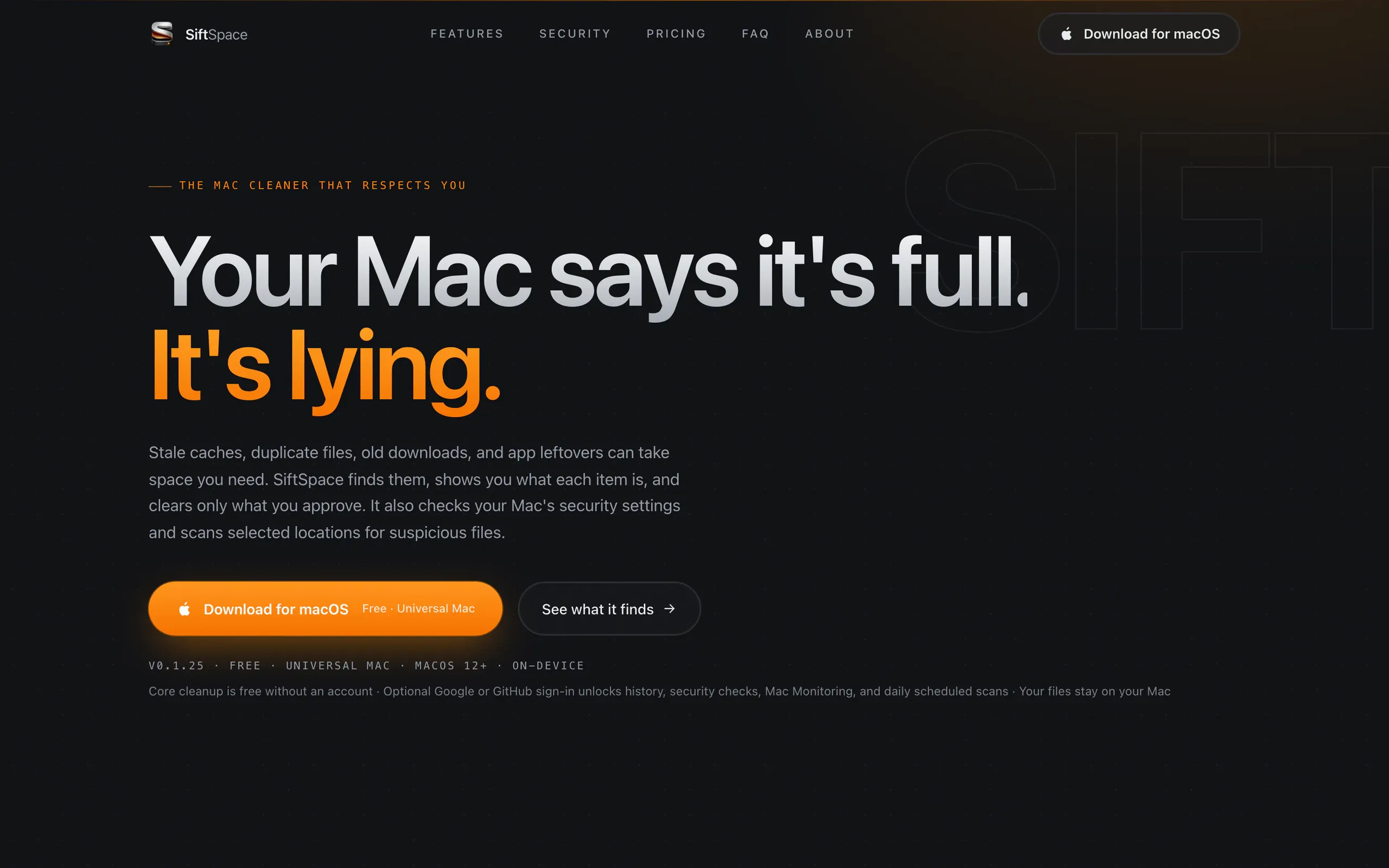
The engineering behind SiftSpace
1 of 4W-02 · Consumer platform · Bookings, subscriptions & commerce · iOS, Android & web
Glutfit
Six fitness services behind one account.
A fitness routine touches bookings, subscriptions, retail and health data. Putting all of it in one product means each service keeps its own rules while the person sees one account, one history and one set of goals.
- iOS
- Android
- Web
 glutfit.com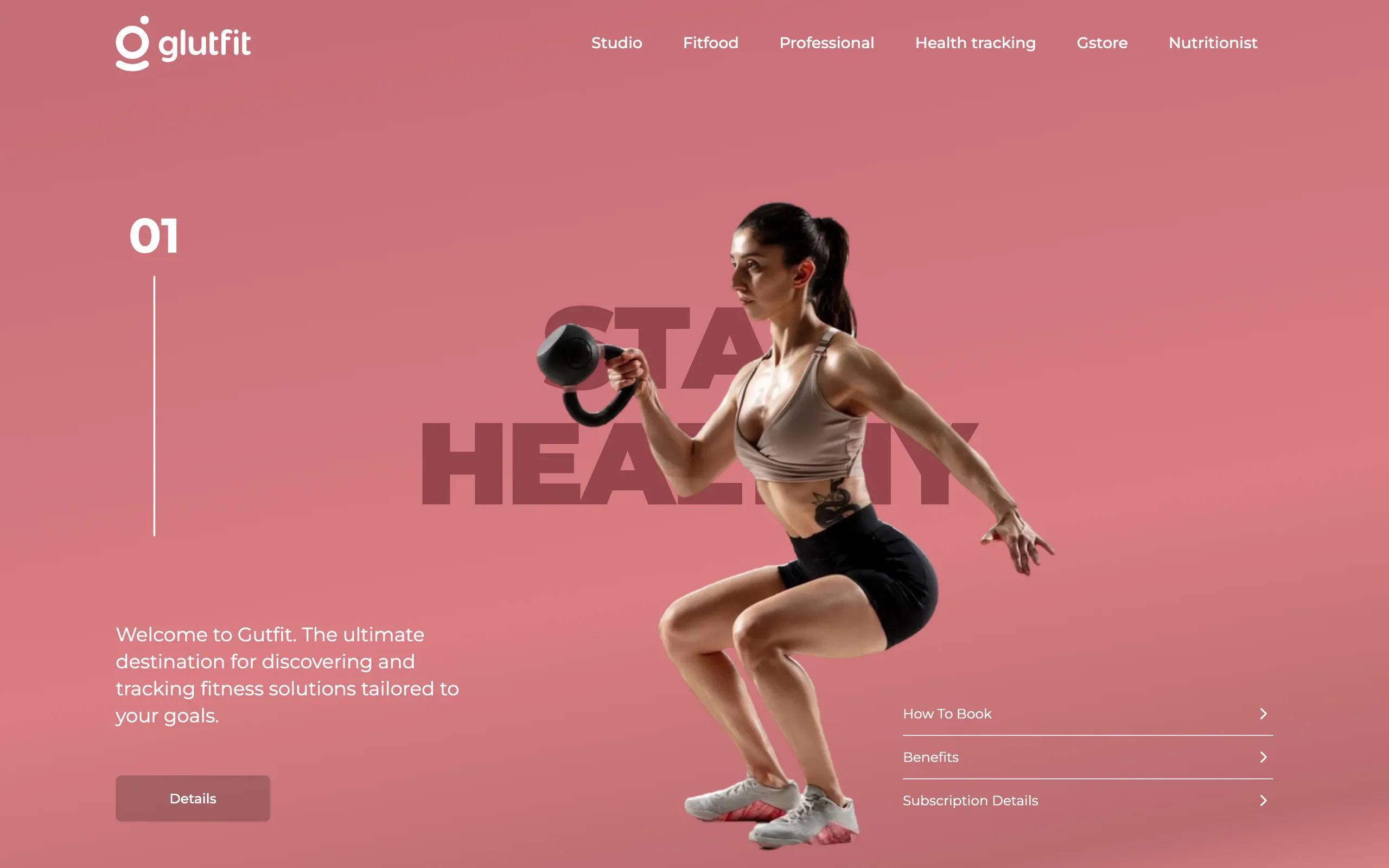
The engineering behind Glutfit
2 of 4W-03 · Developer platform · Dashboard, REST API, SDKs & CLI
EnvVault
Secrets and configuration, from the edge to the running process.
Secrets leak through the gaps between tools: a pasted `.env`, a CI variable nobody rotates. One API has to serve every surface without widening those gaps.
- Web
- macOS
- Linux
- Windows
- Node.js
- Python
 envvault.com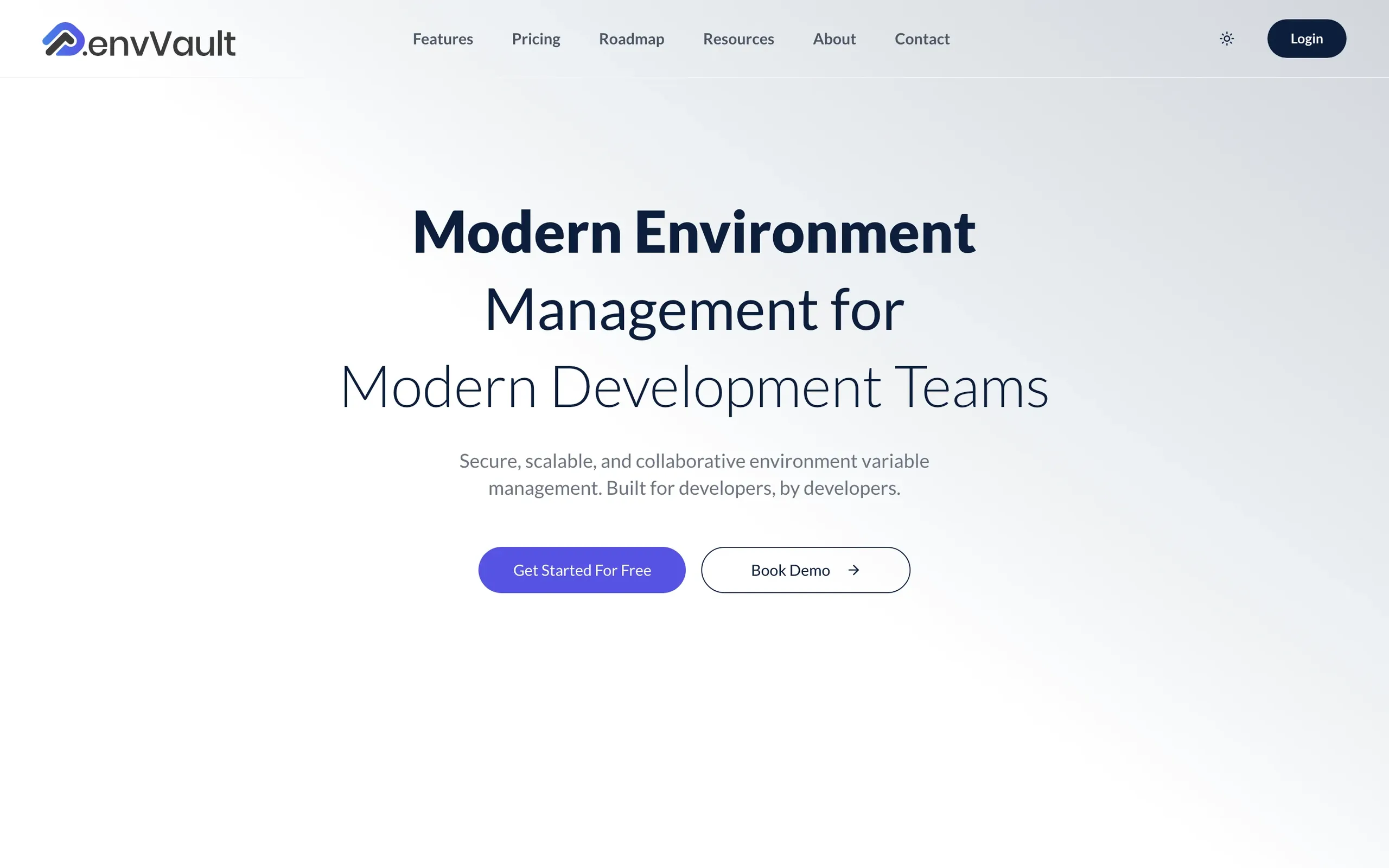
The engineering behind EnvVault
3 of 4W-04 · Developer tooling · macOS desktop · Rust core on Tauri v2
GitAegis
A Git client that refuses to run without a way back.
Developers trust Git clients with their work, yet one wrong reset or force push can destroy it. Safety has to be a property of the architecture, not a confirmation dialog.
- macOS
 gitaegis.com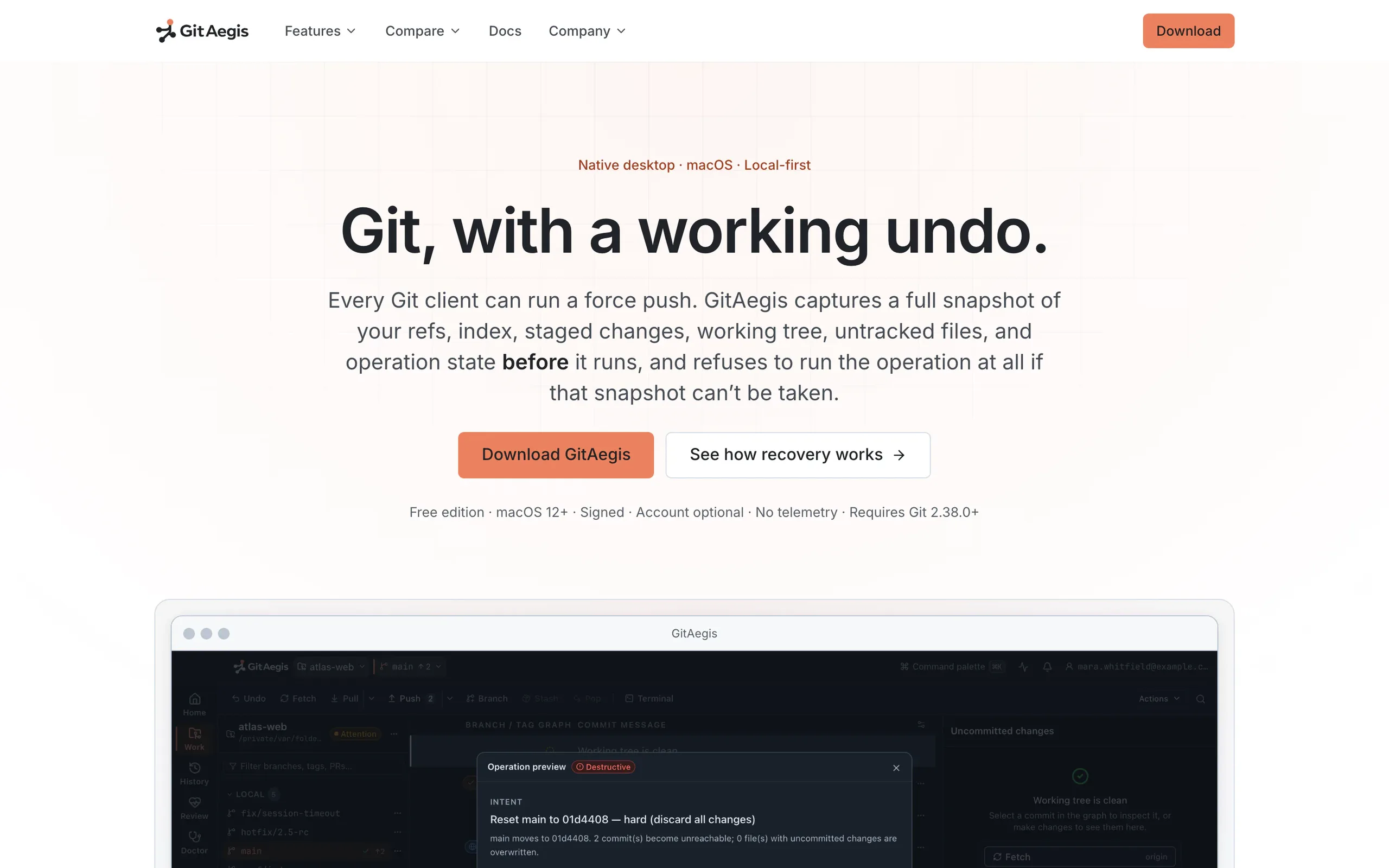
The engineering behind GitAegis
4 of 4
07Build or buy
Two ways to work with us.
Build with NS360
Custom software, designed and engineered for you.
Products, platforms, AI, integrations and the care that keeps them running, from the first sketch to years in production.
Buy through NS360
Selected enterprise software, with the engineering to make it work.
Licensing for selected products, combined with implementation, integration, migration, customization and ongoing support in one engagement.
08Commitments
What you can hold us to.
We can’t show you a decade. We can show you the terms we work to, and where each one is written down.
- 01
Your code lives in your repositories from the first commit.
We work in your GitHub, GitLab or Bitbucket organization. Nothing important lives only on our machines.
- 02
Your infrastructure stays in your accounts.
Cloud resources are created in accounts you own, and every credential is handed back when we finish.
- 03
You own what we build.
Intellectual property is assigned to you under our agreement. No proprietary framework you have to rent back.
- 04
Every stage leaves something you keep.
Decision records, runbooks and documentation are delivered as the work happens, not promised for the end.
- 05
You will always know where things stand.
A written update every week: what shipped, what’s next and what’s at risk. Problems are raised early, in writing.
- 06
Security is part of done.
Least-privilege access, reviews and dependency scanning on every engagement: before launch, not after an incident.
- 07
We will tell you when the answer is no.
If AI, a rewrite or a new service is the wrong tool for your problem, we say so and explain why.
NS360 (Netsphere360 Solutions Private Limited) is a software and product engineering company working with teams worldwide.